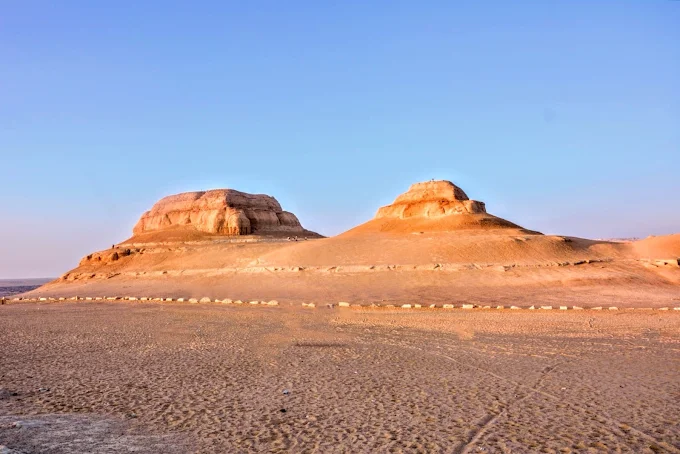
Fayoum Oasis
FAYOUM is one of Egypt’s seven beautiful oasis. It is the closest oasis to Cairo, about two hours drive, making it very accessible if Cairo is your base for travelling.
Fayoum offers a diversity of beautiful natural landscapes and geological formations including lakes, sand dunes, valleys, and waterfalls. It has a rich and interesting range of flora and fauna.
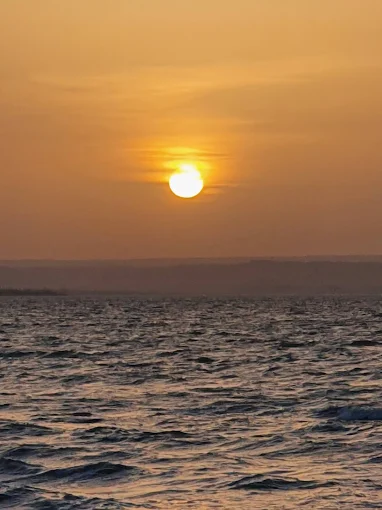
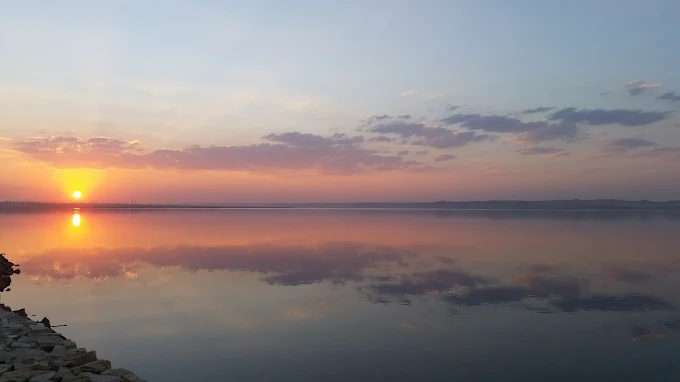
This 692 square miles (1114 km2) is a depression that was a lush paradise during prehistoric times. Qarun Lake covers 254 square km (98 square miles) and has a variety of migrating and resident birds.
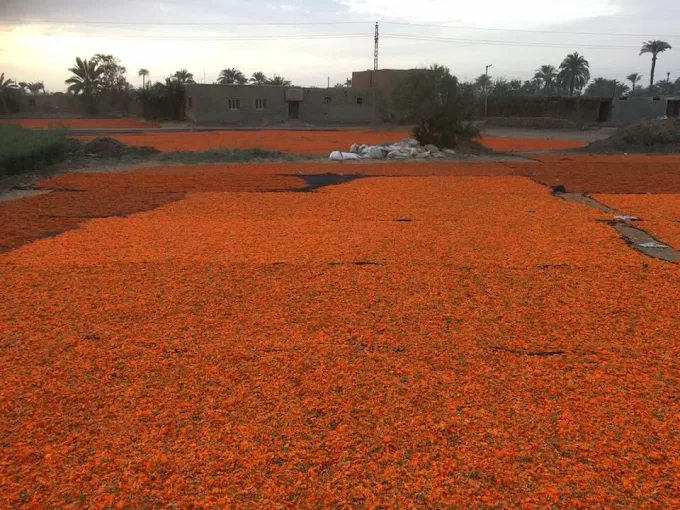
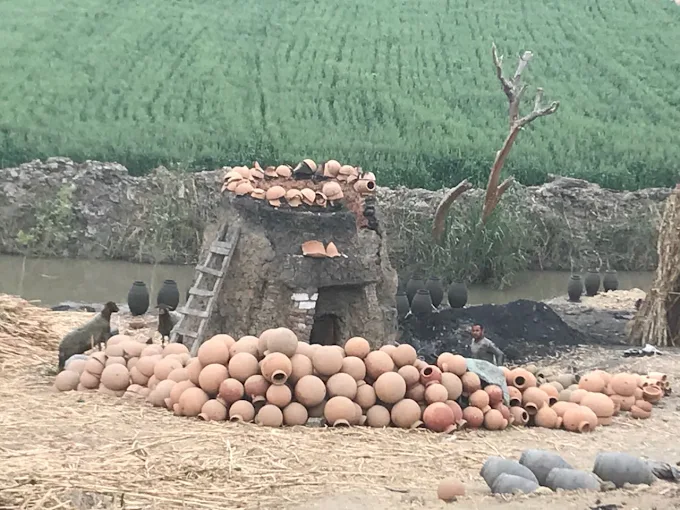
Fayoum also has beautiful villages and a flourishing crafts and artistic community.
Fayoum has many places of historical interest and is a UNESCO heritage site. Fayoum was favoured during the Middle Kingdom (1991–1790 BC), and 12th Dynasty kings Senwosret II and Amenemhat III built pyramids in the area. In the 19th and early 20th centuries, it was a popular getaway for the Egyptian royal family and Cairo elite.
Fayoum includes two areas declared as protected by the Egyptian Government: Lake Qarun and Wadi Rayan National Parks. It is divided into six administrative centers of which the chief towns are Madinat al-Fayoum, Tamiya, Sinnuris, Ibshawai, Yusuf al Siddiq and Itsa, comprising approximately 157 villages and 1,565 hamlets and with a population of more than 3 million inhabitants.
Fayoum is a vast depression that at its lowest level contains a great lake called Birkat Qarun (Lake Qaroun). This depression receives water from a branch of the Nile that was made into a canal in ancient times, now called Bahr Joussef. This splits up into a dense network of secondary canals. Fayoum is usually referred to as an oasis, but it differs from other oases as it receives water directly from the Nile.
In the 1960s, Egyptian authorities created three lakes in the Wadi Rayan depression, southwest of Lake Qarun, to hold excess water from agricultural drainage. This was intended to be the first step in an ambitious land-reclamation project, though not everything went to plan when the water started to become increasingly brackish. On the positive side, these man-made lakes became particularly conducive to large colonies of birds, leading to the entire depression being administered as a national park.
Whales in the desert?
Wadi Al-Hitan, Whales Valley :
UNESCO World Heritage site Wadi Al-Hitan, Whales Valley, in the Western Desert near Fayoum, contains invaluable fossil remains of the earliest, and now extinct, suborder of whales, Archaeoceti.
These fossils represent one of the major stories of evolution: the emergence of the whale as an ocean-going mammal from a previous life as a land-based animal. This is the most important site in the world for the demonstration of this stage of evolution. It portrays vividly the form and life of these whales during their transition.
The number, concentration and quality of such fossils here is unique, as is their accessibility and setting in an attractive and protected landscape. Other fossil material in the site makes it possible to reconstruct the surrounding environmental and ecological conditions of the time.
The diversity of landscapes and activities you can experience in Fayoum Oasis make it a favourite with our guests.
As Fayoum is only a few hours drive from Cairo this oasis is easily added to even a short stay in Cairo, as well as to longer tours of Egypt. We also recommend a few days with us in Fayoum as the perfect escape from city life for those living in Cairo.
Ancient Egyptian Road
The road is dated along with quarry activity as Old Kingdom, with a possibility of it being of Neolithic age. At Widan el Faras the road is clearly visible on the surface.
The road’s main trunk runs along the foot of the Gebel el-Qatrani escarpment, below the quarry. It is joined in several places by short branches coming from different parts of the quarry.
Made from a single course of dry-laid, unshaped pieces of whatever stone was close at hand, total length of the road is nearly 12 km, the last ten of which follow a nearly straight and mostly downward course from Widan el-Faras to the shore of an ancient and now extinct lake.
The sites visited in Fayoum depend on the number of days in your tour, see your chosen itinerary for which they will be included. You can visit just for the day on Luna Travel Egypt day tour, camp overnight in the surrounding desert or spend a night in an eco- hotel and spread your visit over two or three days of adventure.