
Siwa Oasis, Egypt: Discover the Hidden Desert Paradise in 2026.

BOOK NOW
Introduction to Siwa Oasis, Egypt
Siwa Oasis, Egypt, is one of the most beautiful and distinctive destinations in the Western Desert. Famous for its turquoise salt lakes, natural freshwater springs, golden sand dunes, palm groves, and rich cultural heritage, this remote oasis offers an unforgettable travel experience away from Egypt’s crowded tourist cities.
Located in Egypt’s northwestern desert near the Libyan border, Siwa combines natural beauty, ancient history, and traditional local life. Visitors can explore historical temples, relax beside natural springs, enjoy exciting desert safaris, and discover the traditions of the Siwi community.
Unlike destinations focused mainly on large archaeological monuments, Siwa Oasis, Egypt, offers a different kind of adventure. Its peaceful atmosphere, unique landscapes, traditional architecture, and locally produced dates and olive oil make it an attractive destination for travelers seeking authentic experiences.
Whether you are planning a relaxing getaway, a cultural journey, or an adventure across the desert, this Siwa Oasis travel guide will help you discover the best attractions, activities, transportation options, and practical travel tips for 2026.
Where Is Siwa Oasis, Egypt?
Siwa Oasis is situated in Egypt’s Western Desert, relatively close to the Libyan border. Its remote location has helped preserve its distinctive cultural identity, traditional customs, and characteristic desert environment.
The oasis is surrounded by expansive sand dunes, salt lakes, agricultural land, and natural water sources. Palm trees and olive groves create a striking contrast with the dry desert landscape, making Siwa one of the most visually distinctive places in Egypt.
Travelers visiting Siwa Oasis, Egypt, can explore the town on foot or by bicycle, visit local markets, discover historical landmarks, and arrange guided excursions into the surrounding desert.
Although reaching the oasis requires a relatively long journey from Cairo, its unique atmosphere makes the trip worthwhile for visitors interested in nature, history, and cultural tourism.
Best Things to Do in Siwa Oasis, Egypt
There are many exciting things to do in Siwa Oasis, from swimming in natural springs to exploring ancient landmarks and experiencing the beauty of the Great Sand Sea.
1. Visit Cleopatra Spring in Siwa Oasis
Cleopatra Spring is one of the most famous natural attractions in Siwa Oasis, Egypt. This natural freshwater pool is a popular stop for visitors who want to relax and experience one of the oasis’s best-known landmarks.
Surrounded by palm trees and local cafés, Cleopatra Spring provides a pleasant place to take a break from sightseeing. Visitors can enjoy the surrounding scenery and learn about the importance of freshwater sources in the desert environment.
Many Siwa Oasis tours include a visit to Cleopatra Spring as part of a wider itinerary covering historical sites and natural attractions.
If you are planning a trip to Siwa, consider visiting the spring during a quieter period of the day to enjoy the atmosphere and take photographs of the surrounding landscape.
2. Explore the Great Sand Sea
The Great Sand Sea is one of the most spectacular natural landscapes near Siwa Oasis, Egypt. Its enormous golden dunes stretch across the desert, creating an impressive setting for adventure activities and photography.
A Siwa Desert Safari allows travelers to explore this remarkable environment in a four-wheel-drive vehicle with an experienced local guide. Depending on the tour, activities may include dune driving, sandboarding, desert photography, and sunset viewing.
The changing colors of the sand during sunset create a particularly memorable experience. As the sunlight fades, the dunes take on shades of gold, orange, and red.
For visitors who enjoy outdoor adventures, exploring the Great Sand Sea is one of the best things to do in Siwa Oasis.
Travelers should choose reputable tour operators and follow safety guidance during off-road excursions.
3. Discover the Salt Lakes of Siwa Oasis
The salt lakes are among the most photographed attractions in Siwa Oasis, Egypt. Their turquoise waters, white salt formations, and desert surroundings create a landscape that looks dramatically different from the traditional image of the Egyptian desert.
The high salt concentration in many of these lakes makes floating easier than in ordinary freshwater. Visitors should follow local guidance, avoid getting salt water in their eyes, and take care when entering or leaving the water.
The lakes are also excellent locations for landscape photography, especially when sunlight highlights the contrast between the bright water and surrounding salt deposits.
When visiting Siwa’s salt lakes, remember that these natural environments should be treated carefully. Avoid leaving rubbish behind and follow any local restrictions designed to protect the area.
4. Discover the Temple of the Oracle
The Temple of the Oracle is an important historical attraction associated with the ancient oracle of Amun. The site is particularly famous for its connection with Alexander the Great, who visited the oracle in 331 BCE.
The oracle was significant in the religious and political history of the ancient Mediterranean world. Its association with Alexander the Great has made Siwa an interesting destination for travelers fascinated by ancient civilizations.
Visitors can explore the archaeological remains and learn about the historical importance of the oasis.
Including the Temple of the Oracle in your Siwa Oasis itinerary provides a valuable opportunity to experience the destination’s history alongside its natural beauty.
5. Explore Shali Fortress
Shali Fortress is one of the most recognizable historical landmarks in Siwa Oasis, Egypt. Located in the center of Siwa town, the remains of this traditional settlement reveal how local communities adapted their architecture to the desert environment.
The old structures were built using locally available materials, including salt-rich earth. Although parts of the settlement have deteriorated over time, its remaining walls and pathways offer a fascinating glimpse into the history of Siwa.
Visitors can walk through the old settlement, photograph the distinctive architecture, and enjoy views of the surrounding town.
Shali Fortress is particularly worthwhile for travelers interested in traditional building methods and the cultural heritage of Egypt’s Western Desert.
6. Watch the Sunset at Fatnas Island
Fatnas Island, also known as Fantasy Island, is a popular sunset destination near Siwa’s salt lakes.
The area is surrounded by water and palm trees, creating a peaceful atmosphere for visitors who want to relax after a day of sightseeing.
Travelers visiting Siwa Oasis, Egypt, often include Fatnas Island in their itinerary because it offers beautiful views, opportunities for photography, and a relaxing environment.
The sunset is an excellent time to appreciate the changing colors of the sky and the contrast between the desert landscape and the oasis’s greenery.
Discover the Culture of Siwa Oasis, Egypt
The culture of Siwa Oasis is one of its most important attractions. The oasis is home to the Siwi community, whose traditions, language, craftsmanship, and social customs have developed over generations.
The Siwi language belongs to the Berber branch of the Afroasiatic language family. Arabic is also widely spoken, allowing visitors to communicate with local residents and explore the town more easily.
Because of its geographical isolation throughout much of its history, Siwa has maintained cultural characteristics that distinguish it from many other Egyptian destinations.
Traditional Siwi Jewelry and Handicrafts
Traditional crafts play an important role in the cultural identity of Siwa Oasis, Egypt. Local craftsmanship includes embroidery, basketry, pottery, textiles, and distinctive jewelry.
Silver jewelry historically held particular importance in women’s clothing and wedding celebrations. Traditional pieces often featured geometric designs and decorative symbols, reflecting local artistic traditions.
Embroidery and colorful garments also remain important expressions of Siwi heritage.
Visitors can explore local markets to find handmade souvenirs and learn more about traditional production methods. Buying authentic local crafts can help support artisans and small businesses in the oasis.
Siwa Festivals and Local Traditions
Siwa has distinctive festivals that reflect its community traditions and cultural heritage.
One of its best-known celebrations is the Siyaha Festival, also called Eid El Solh or Eid El Hasad. Traditionally, the festival brings people together through shared meals, songs, and celebrations associated with reconciliation and community relationships.
These traditions demonstrate the importance of cooperation and social connections in Siwi life.
Travelers interested in attending local celebrations should check the dates and arrangements in advance because festival timing follows local traditions and the calendar.
Experiencing Siwa’s cultural heritage can make a visit more meaningful than simply exploring its historical landmarks and natural attractions.
Taste the Traditional Food of Siwa Oasis.
Food is another important part of the experience of visiting Siwa Oasis, Egypt. The region is particularly famous for its dates and olive oil, both of which have long been important to the local economy.
The oasis’s agricultural environment supports date palm cultivation and olive production. Visitors can find locally produced ingredients and regional products in shops and markets.
Traditional meals may include bread, rice, meat, vegetables, and other ingredients prepared according to local customs.
Exploring the local food scene is an excellent way to understand the relationship between Siwa’s agricultural landscape and its traditional way of life.
Travelers can also purchase locally produced dates and olive oil as souvenirs, provided they follow any relevant transport and customs regulations.
Nature and Agriculture in Siwa Oasis, Egypt.
Siwa Oasis is a remarkable example of how agriculture and human settlement can thrive in a desert environment.
Natural springs and other water sources support palm groves, olive farms, and cultivated land. These green agricultural areas contrast with the surrounding arid landscape, creating the distinctive scenery that makes Siwa so appealing to visitors.
The oasis also contains salt lakes and natural habitats that contribute to its environmental importance.
Agriculture remains central to the local economy, particularly the cultivation of dates and olives. These products are closely associated with Siwa’s identity and traditional livelihoods.
Responsible tourism is essential to protecting the area’s natural resources. Visitors should avoid littering, respect local land and water resources, and follow guidance when exploring the desert.
How to Get to Siwa Oasis from Cairo
Traveling from Cairo to Siwa Oasis, Egypt, requires planning because of the considerable distance between the capital and the oasis.
Travel to Siwa by Bus
Intercity buses are one option for reaching Siwa from Cairo. Overnight services may be available, allowing travelers to arrive the following morning, depending on the operator and schedule.
Bus departure times, journey duration, and ticket availability can change. It is therefore important to confirm current arrangements directly with the transport provider before traveling.
Booking in advance can be helpful during busy travel periods.
Travel to Siwa by Private Car
A private car or organized transfer offers greater flexibility for travelers who prefer to control their departure time and stops.
Because the journey is long, travelers should plan rest breaks, check current road conditions, and ensure that the vehicle is suitable for the trip.
A private transfer may also be convenient for families or groups who want to combine transportation with a customized itinerary.
Book an Organized Siwa Oasis Tour
An organized Siwa Oasis tour can simplify transportation and sightseeing, especially for first-time visitors.
Depending on the package, a tour may include transportation from Cairo, accommodation, guided sightseeing, and a desert safari.
Before booking, compare the itinerary, included services, accommodation standards, and additional charges.
Choosing the right tour can help you explore the major attractions of Siwa Oasis, Egypt, without having to organize every detail independently.
Best Time to Visit Siwa Oasis, Egypt
Siwa Oasis can be visited throughout the year, but the best time depends on your preferred activities and weather conditions.
Spring: Spring can offer comfortable conditions for exploring historical sites, visiting salt lakes, and enjoying outdoor activities.
Autumn: Autumn is often a good option for sightseeing and desert excursions because temperatures generally become more manageable than during the hottest summer months.
Winter: Winter can be pleasant for daytime exploration, but temperatures may fall significantly at night. Travelers should pack warm clothing for evening activities.
Summer: Summer temperatures can be very high, particularly during the middle of the day. Visitors should plan outdoor activities carefully, carry drinking water, and avoid prolonged exposure to extreme heat.
For most travelers, choosing a period with comfortable daytime temperatures makes it easier to explore Siwa’s historical landmarks and natural attractions.
Always check the forecast before departure and follow local advice regarding desert activities.
Where to Stay in Siwa Oasis.
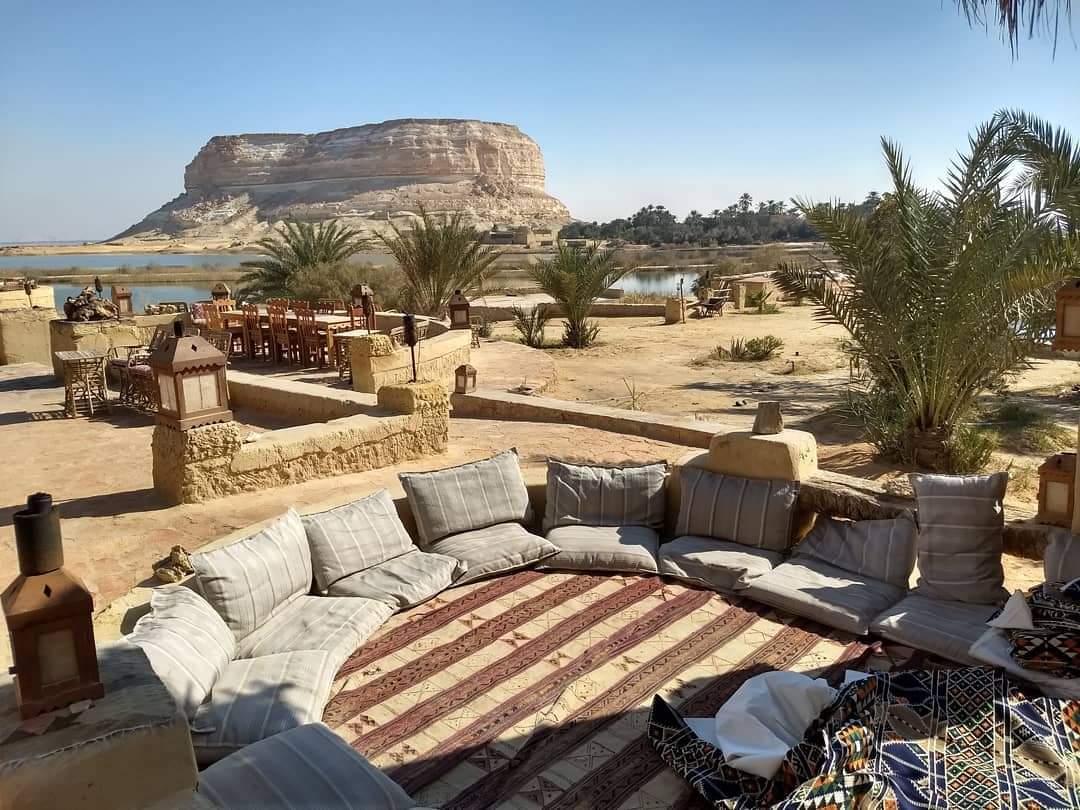
Accommodation in Siwa Oasis, Egypt, ranges from simple guesthouses to boutique properties and eco-lodges.
Some accommodations emphasize traditional architectural styles and locally inspired design, allowing visitors to experience the character of the oasis.
When choosing accommodation, consider your budget, desired comfort level, location, and access to the attractions included in your itinerary.
Staying near the center of Siwa town can make it easier to reach local restaurants, markets, and historical sites. Travelers seeking a quieter atmosphere may prefer properties outside the busiest areas.
Compare facilities, transportation arrangements, guest reviews, and cancellation policies before making a reservation.
Booking ahead is advisable during popular travel periods, particularly if you have specific accommodation requirements.
Essential Travel Tips for Siwa Oasis, Egypt.
Planning ahead can make your trip to Siwa more comfortable and enjoyable.
Pack appropriate clothing: Lightweight clothing is useful in warm weather, while warm layers are important during winter evenings.
Bring sun protection: Sunglasses, sunscreen, and a hat can help protect you during outdoor excursions.
Carry drinking water: Staying hydrated is particularly important during desert safaris and long sightseeing days.
Choose experienced local guides: Book desert excursions with reputable operators who understand the terrain and safety requirements.
Respect local customs: Dress appropriately at religious and community sites, and ask permission before photographing residents.
Carry cash: Some small businesses may not accept cards, so cash can be useful.
Confirm transportation: Verify bus schedules, pickup locations, and transfer arrangements before departure.
Protect the environment: Avoid littering and follow local guidance when visiting springs, salt lakes, and desert areas.
Plan your itinerary realistically: Allow enough time for transportation, sightseeing, and rest instead of trying to visit every attraction in a single day.
Following these recommendations can help you make the most of your visit to Siwa Oasis, Egypt.
Why Visit Siwa Oasis, Egypt, in 2026?
Siwa Oasis offers a distinctive travel experience that combines nature, history, adventure, and cultural discovery.
Its turquoise salt lakes, freshwater springs, golden dunes, and palm groves provide beautiful scenery for travelers interested in photography and outdoor activities.
History enthusiasts can explore the Temple of the Oracle and Shali Fortress, while adventure seekers can arrange a Siwa Desert Safari across the Great Sand Sea.
The oasis also offers opportunities to discover traditional Siwi crafts, sample local food, and learn about the community’s distinctive heritage.
Compared with destinations focused mainly on large archaeological sites, Siwa provides a more intimate opportunity to experience the desert environment and the traditions of a local community.
For travelers planning an Egypt itinerary in 2026, Siwa Oasis is an appealing option for those who want to discover a different side of the country.
Conclusion: Plan Your Trip to Siwa Oasis, Egypt.
Siwa Oasis, Egypt, is a remarkable destination where natural beauty, ancient history, and traditional culture come together.
From swimming in Cleopatra Spring and exploring the salt lakes to visiting the Temple of the Oracle and watching the sunset over the desert, the oasis offers a wide variety of memorable experiences.
Its distinctive Siwi heritage, locally produced dates and olive oil, and dramatic desert landscapes make it an excellent destination for travelers seeking something beyond Egypt’s most familiar tourist attractions.
With suitable planning, reliable transportation, and respect for local traditions, visitors can enjoy a rewarding journey through one of Egypt’s most distinctive desert destinations.
If you are planning a trip to Egypt in 2026, add Siwa Oasis to your travel itinerary to discover its natural wonders, cultural heritage, and unforgettable desert scenery.